The generations of K-pop, explained simply
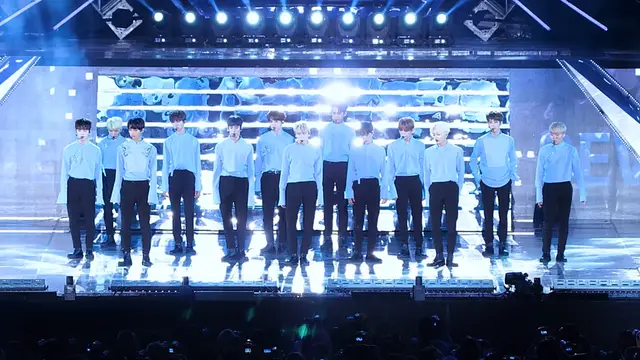
Photo: DaftTaengk, CC BY 3.0. Adapted for the web.
When someone says a group is fourth generation, they are talking about when it debuted. There is no official list and fans argue about where each period ends, but this is the most common version.
Before it all
In 1992, Seo Taiji and Boys blended rap, dance and pop on South Korean television. They are usually seen as the starting point of modern K-pop.
First generation
In the late nineties, agencies began building groups such as H.O.T., Sechs Kies and S.E.S. The idol model was born.
Second generation
During the 2000s, groups like TVXQ, Super Junior, Girls’ Generation, BIGBANG and Wonder Girls started moving beyond Korea, first across Asia.
Third generation
From the early 2010s, YouTube and social media changed everything. EXO, Red Velvet, BTS, SEVENTEEN, TWICE and BLACKPINK took the genre worldwide.
Fourth generation
From around 2018 came Stray Kids, ATEEZ, TXT, ITZY, aespa, ENHYPEN, IVE and LE SSERAFIM, who started out with a global audience in mind.
And the fifth?
Many people already talk about a fifth generation for groups that have debuted in recent years. There is no agreement yet on where it starts, so get ready to argue about it.
If this has made you curious, also read who is behind each group.